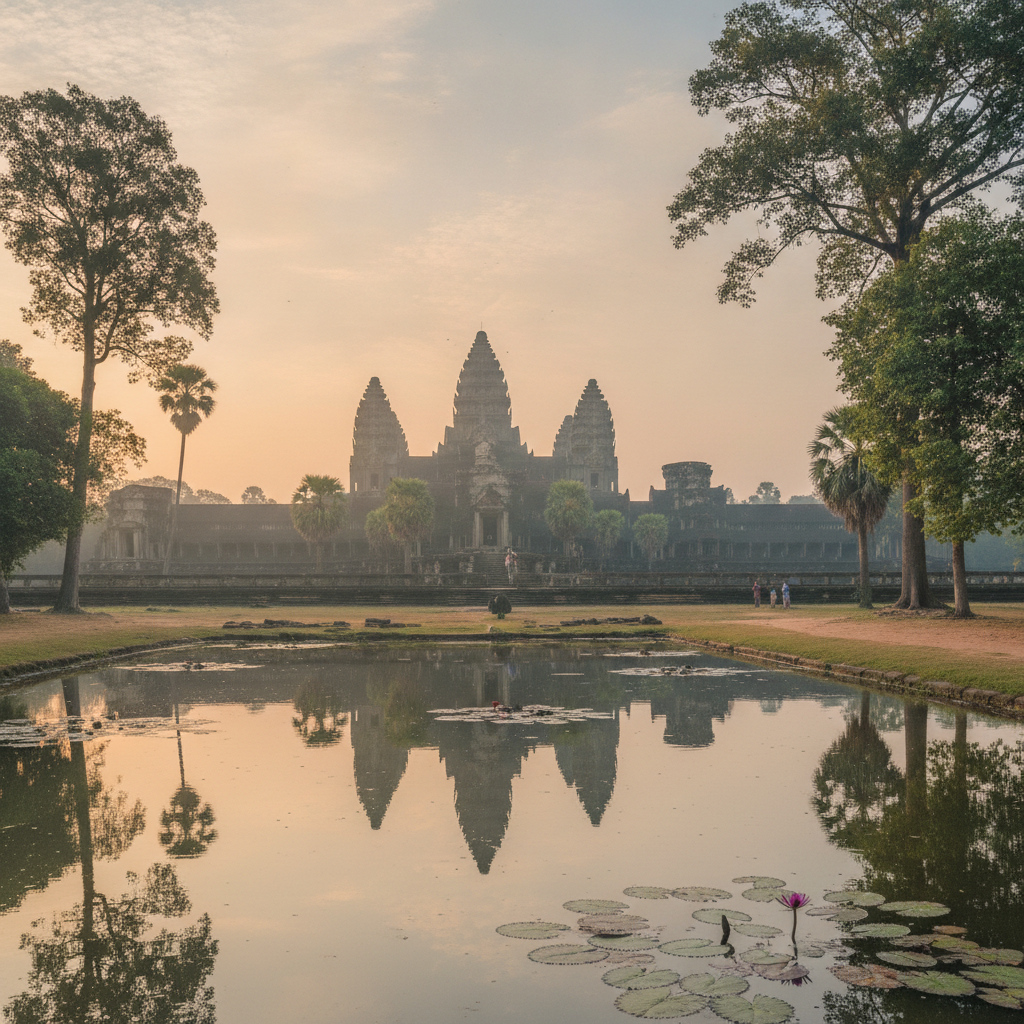
The photographs that fill travel feeds tell only part of the story. Angkor Wat at sunrise, Bagan's plains at dawn, the gilded spires of Wat Phra Kaew catching morning light — these images are real, but they rarely show the hundreds of other visitors standing just outside the frame. Timing, more than any other variable, determines whether a visit to Southeast Asia's most celebrated temple sites feels like a genuine encounter with history or an exercise in crowd management.
Understanding What Shoulder Season Actually Means
Shoulder season sits between a destination's peak tourist rush and its least hospitable weather window. In Southeast Asia, this sweet spot varies by country and even by region, but it generally falls in the months just before or just after the main dry-season surge. The crowds thin, accommodation prices soften, and the sites themselves feel more open and unhurried. For temple destinations in particular, the difference between peak and shoulder periods can be striking — the same stone corridors that feel claustrophobic in December can feel almost contemplative in late October.
Reading the Regional Calendar
Thailand's shoulder season typically runs from May through early June and again through October, when European and North American visitors are less likely to travel and the rains come in shorter, predictable bursts rather than sustained downpours. Cambodia follows a similar pattern, with April and late October offering manageable conditions at Angkor Archaeological Park before the peak December–February crowds descend. Myanmar's Bagan tends to see its lightest visitor numbers in September and early October, just before the cool-season rush begins in earnest.
Monsoon Misunderstandings Worth Clearing Up
Many travelers avoid shoulder season out of concern about rain, but Southeast Asian monsoons are rarely the constant deluge they're imagined to be. In many regions, rainfall arrives in the late afternoon, leaving mornings crisp, clear, and perfect for exploring open-air temple complexes. The rain also brings a particular quality of light — soft, diffused, and flattering to ancient stonework — that peak-season visitors never experience. Packing a lightweight rain layer and adjusting a schedule by two or three hours opens up far more than it closes off.
Choosing the Right Temple Destinations by Month
Not every temple site in Southeast Asia behaves the same way, and timing requires some specificity. Angkor Wat and the surrounding Angkor Archaeological Park in Siem Reap, Cambodia, see their heaviest foot traffic from November through February. Arriving in late October or targeting the early days of March allows you to move through Angkor Thom and Ta Prohm with far more breathing room. At Bagan in Myanmar, late September and early October offer open plains and easier access to the smaller, lesser-photographed pagodas that often get bypassed entirely during peak months.
Thailand's Temple Circuit in the Off-Peak Window
Bangkok's Wat Pho and the surrounding Grand Palace complex draw year-round visitors, but the shoulder months of May and October see noticeably lighter attendance. Chiang Mai's Doi Suthep, perched above the city on a forested hillside, becomes genuinely serene on weekday mornings during the rainy season. The practical difference is meaningful: shorter queues, unhurried guides, and the ability to spend time with a single carved relief or mosaic courtyard without being moved along by the press of the crowd behind you.
Lesser-Known Sites That Reward Careful Timing
My Son Sanctuary in Vietnam and the temple complex at Sukhothai Historical Park in Thailand are two sites where shoulder season timing delivers an outsized return. Sukhothai, often overshadowed by the northern temple circuit, sees visitor numbers that are already modest by regional standards drop further in the rainy months of June through September — making it possible to cycle through the historic park's outer zones in near-solitude. My Son, similarly, rewards early-morning visits during the shoulder months when the river mist still lingers and the main tour groups haven't yet arrived from Da Nang.
Using Apps and Platforms to Time Your Arrival
A handful of tools make shoulder season planning considerably more precise. Google Maps' popular times feature, available on the mobile app, provides crowd data for individual temple sites broken down by hour and day of the week — a genuinely useful tool for identifying low-traffic windows even within a single day. Skyscanner's price calendar view allows you to scan entire months at a glance, making it easy to spot fare dips that often align with lighter tourist periods. For accommodation, Agoda and Booking.com both allow flexible date searches that reveal how pricing shifts week by week, giving a secondary signal of when local demand drops.
Planning Around Local Holidays
Shoulder season timing still requires awareness of regional public holidays, which can temporarily spike crowds even during quieter months. Khmer New Year in mid-April brings domestic visitors to Angkor in large numbers, and Thailand's Songkran festival in April draws both local and international travelers. Checking a destination's public holiday calendar before finalizing dates prevents the frustration of arriving during an unexpected surge. Apps like TripAdvisor can surface recent traveler reviews that flag unexpected crowd conditions, providing a real-time sanity check before departure.
Making the Most of Early Mornings and Late Light
Shoulder season or not, the hours immediately after sunrise and in the final hour before closing are universally the least crowded windows at major temple sites. During shoulder months, these windows become genuinely quiet rather than merely quieter. Arriving at Angkor Wat before the gates fully open, or lingering at Wat Pho as afternoon visitors begin filtering out, transforms the experience from a logistical exercise into something closer to what drew travelers to these sites in the first place — the sense of being present with something ancient and enduring.
As more travelers grow aware of shoulder season strategies and overtourism concerns become part of mainstream travel culture, destinations across Southeast Asia are beginning to actively encourage off-peak visits through reduced entry pricing and expanded guided access during quieter months. The window for relatively uncrowded temple experiences remains open, but it rewards those who plan with a little more intention than the average holiday booking requires. Pulling up a calendar, cross-referencing a few regional weather patterns, and shifting departure dates by even two or three weeks can make the difference between watching a site and genuinely experiencing it.