Dragging a full-size suitcase across cobblestone streets, up narrow hostel staircases, and through packed metro cars is one of the most reliable ways to drain the joy out of a European trip. You've got a late checkout, an early train, and nowhere comfortable to put your bags — and suddenly the city you were excited to explore feels like an obstacle course. The good news is that a well-developed network of luggage storage options now exists across most major European cities, and knowing how to use them changes everything about how freely you can move.
Book Storage Before You Book the Train
The smartest move is to treat luggage storage as part of your actual itinerary, not an afterthought. Before you confirm a transit day between cities, spend a few minutes checking what storage options exist at both your departure and arrival points. Services like Radical Storage and Stasher operate in dozens of cities and let you pre-book a spot at a nearby shop, hotel, or café for a fixed hourly or daily rate. Knowing your bags have a home before you arrive means you step off the train with a plan instead of a problem.
Understand the Difference Between Station Lockers and Network Services
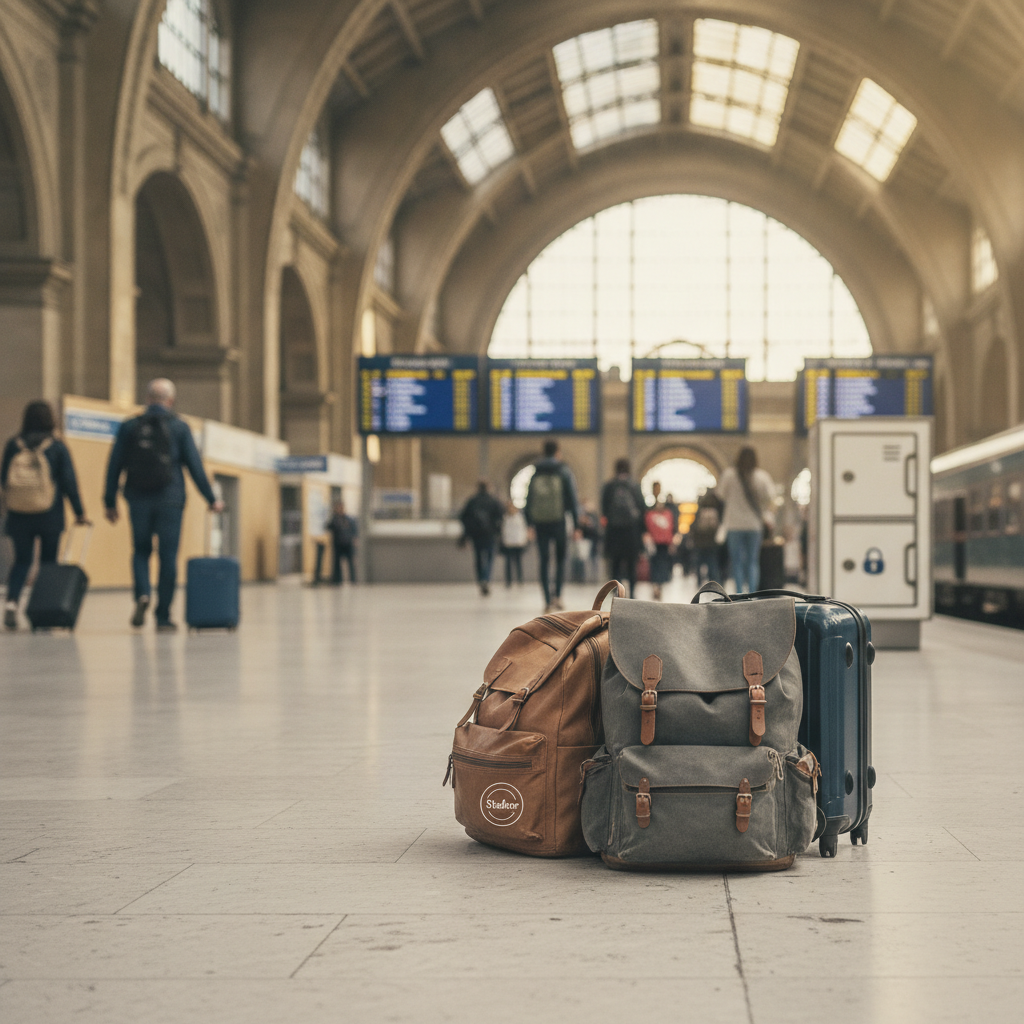
Most major train stations — think Gare du Nord in Paris or Milano Centrale — still offer coin or card-operated lockers, and these are genuinely useful for short layovers. The catch is that station lockers are limited in number, sometimes cash-only, and tend to fill up fast during peak travel months. Luggage storage networks like Bounce or LuggageHero work differently: they partner with local businesses, so there are often dozens of drop-off points scattered across a city rather than one congested location. For multi-hour gaps between check-in and check-out, a neighborhood drop-off point is almost always the more flexible option.
Use Apps to Map Storage Around Your Actual Plans
Rather than searching for storage near the station and then trekking back to wherever you actually want to spend your day, flip the approach. Pull up a luggage storage app — Bounce has a solid map interface — and look for drop-off points near the museum, market, or neighborhood you're planning to visit anyway. Many partner locations are cafés or small shops that are genuinely convenient to walk past. You drop your bags, explore without weight slowing you down, and pick everything up on your way back through. It takes an extra two minutes of planning and saves hours of frustration.
Factor Storage Costs Into Your Overall Trip Budget
Luggage storage isn't free, but it's rarely expensive. Most network services charge by the bag per day, and the cost is usually comparable to a coffee. Over a two-week trip with several transit days, the total adds up to something modest — far less than the stress of hauling everything everywhere. The real value is what you get back in mobility. A half-day in Rome without a wheeled bag changes the experience entirely, especially in neighborhoods like Trastevere where the streets were not designed with luggage in mind.
Know Which Cities Have the Strongest Coverage
Storage networks aren't equally dense in every city. Amsterdam, Barcelona, Rome, Lisbon, and Prague tend to have excellent coverage because they're high-turnover tourist destinations where the demand is consistent. Smaller cities or off-the-beaten-path stops may have fewer partner locations, so it's worth checking early if your itinerary includes somewhere less visited. In those cases, your accommodation — even if you're checking out — will often hold bags for the day as a courtesy, especially if you ask politely at check-in rather than scrambling at checkout.
Check Insurance and Size Restrictions Before You Drop Off
Most reputable storage services offer some form of basic coverage for lost or damaged items, but the limits vary. Before you leave a bag containing a laptop or camera gear, take thirty seconds to read the coverage terms. Some services offer upgraded protection for a small additional fee, which is worth it if you're storing anything valuable. Size restrictions are the other thing to confirm — oversized bags, ski equipment, or bulky strollers sometimes fall outside standard pricing and need to be declared in advance to avoid surprises at the drop-off point.
Use Storage to Extend Checkout Day Without Rushing
One of the most underused applications of luggage storage is simply buying yourself a relaxed checkout morning. Instead of waking up early to pack, check out, and scramble toward the station, you drop your bags at a nearby location first thing and get several more hours in the city with your hands free. This works especially well in cities where your train or flight doesn't leave until late afternoon. Barcelona's Gothic Quarter or Vienna's Naschmarkt area are far more enjoyable when you're not pulling a bag behind you through the crowds.
Confirm Hours and Location Details the Night Before
Partner locations are real businesses — cafés, print shops, boutiques — and they keep business hours. A storage spot that's open until 9 PM most nights might close earlier on Sundays, or be shut entirely on local public holidays. Always confirm the hours when you book, then double-check the specific address rather than assuming the map pin is precise. Getting this detail right the night before means no last-minute stress when you're running toward the train with twenty minutes to spare.
Traveling lighter through Europe isn't about packing less — it's about using the infrastructure that already exists to carry your things while you move freely. Once you build luggage storage into how you plan transit days, it becomes second nature, and the cities you're visiting open up in a way that's hard to describe until you've experienced it. Start with your next transit day and see how different it feels to arrive somewhere new with nothing weighing you down.