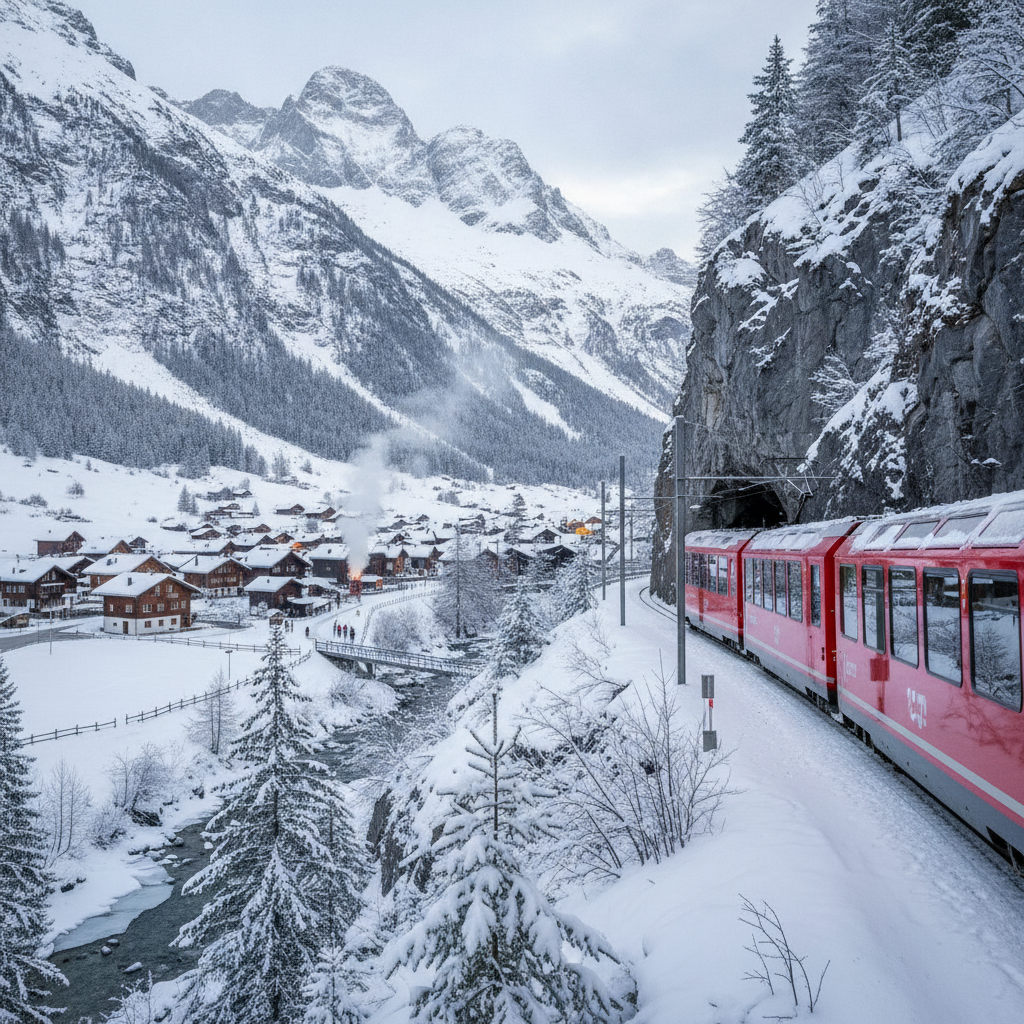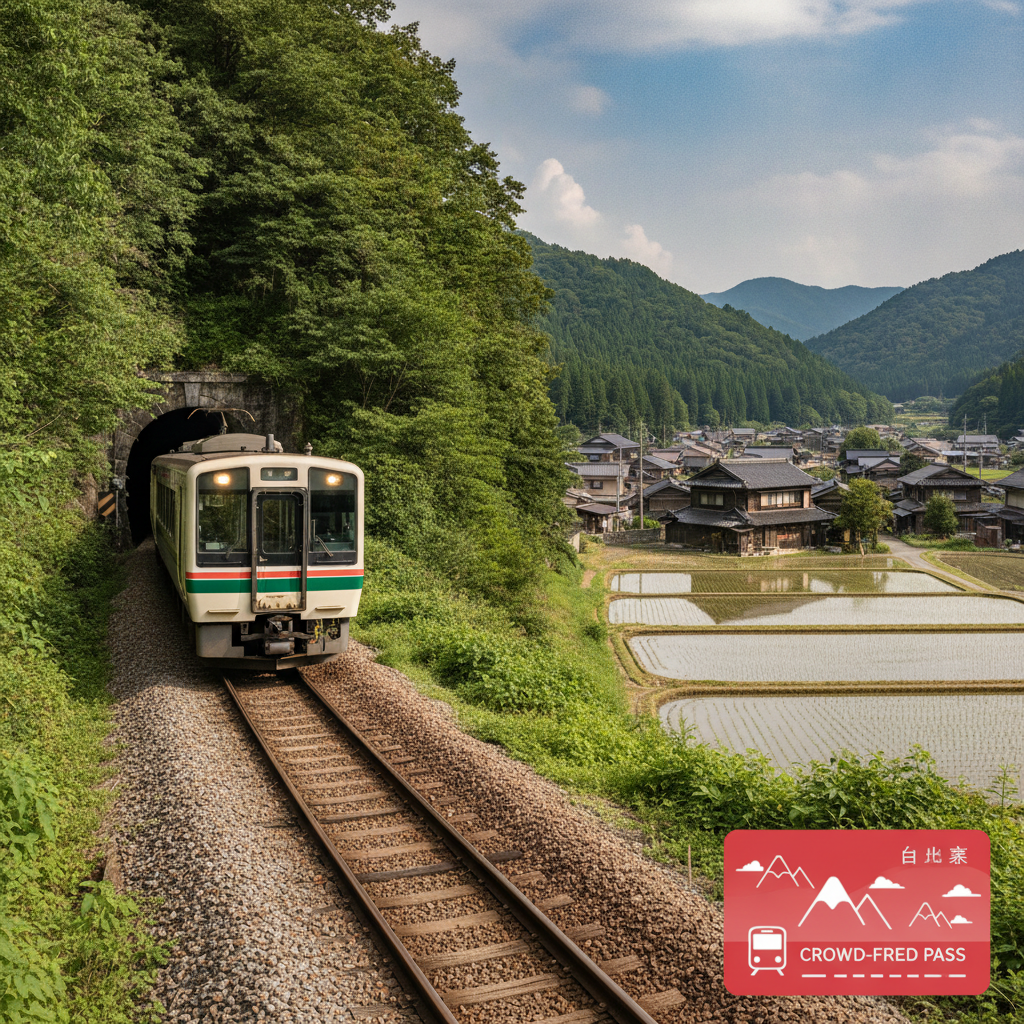
Japan's most memorable moments rarely happen on the platforms of Tokyo Station or inside the glass corridors of Osaka's Shinkansen hub. They happen in small places — a hillside village where temple bells echo through cedar forests, a coastal town where fishermen still dry catch on wooden racks, a mountain onsen that sees more snow than tourists. Getting to those places takes a little planning, but the regional train pass system makes it surprisingly affordable and genuinely easy once you understand how it works.
Understand the Difference Between Pass Types
The famous JR Pass covers the national rail network, but it's not always the best tool for countryside exploration. Regional passes — like the JR Kyushu Rail Pass, JR Tohoku-South Hokkaido Pass, and the Sanin-Okayama Pass — cover smaller geographic areas at a lower price point. If you're staying in one region, these narrower passes stretch your yen further and still grant access to local lines the national pass doesn't always include. The key distinction is scope: national passes suit cross-country trips, while regional passes reward slower, deeper exploration of a single area.
Buy Your Pass Before You Leave Home
Many regional passes are available for purchase outside Japan at a discounted overseas rate, and some can only be bought abroad. The process is straightforward — you order through an authorized retailer or the JR regional website, receive a voucher by email, and exchange it for a physical pass at a JR office when you arrive. Skipping this step and trying to buy at the station in Japan often means paying a higher price, and in some cases the pass simply won't be available to you at all. Booking ahead also gives you time to map out your route before the trip begins.
Plan Around Smaller Stations, Not Just Major Stops
One of the quieter advantages of regional passes is that they cover local and express trains, not just the fast intercity lines. This means you can hop on a two-car rural train and ride it to a station that sees maybe a dozen visitors on a busy day. Towns like Tsuwano in Shimane Prefecture or Kakunodate in Akita are genuinely off the usual circuit, yet both are reachable by regional rail without complex transfers. Building your itinerary around these smaller stops rather than treating them as detours completely changes the rhythm of the trip.
Use the Ekinet or Navitime App to Check Coverage
Before you commit to any pass, spend time on Ekinet or the English version of Navitime to map your intended route station by station. These tools let you filter by train type and operator, so you can confirm which legs of your journey fall within the pass's coverage and which would require a separate ticket. A small gap in coverage — say, a local private railway line that the JR pass doesn't include — can catch you off guard if you haven't checked. Most gaps are easily solved with an inexpensive single-ride ticket, but knowing in advance keeps the budget tidy.
Time Your Rides to Avoid Commuter Crowds
Rural train lines run less frequently than city lines, sometimes with only two or three departures per hour, or fewer on weekends and holidays. Checking the timetable in advance isn't just about convenience — it determines whether you actually make it somewhere and back in a single day. On the upside, these trains are almost never packed outside of morning and evening commute windows. Riding mid-morning or early afternoon means you'll often have an entire car to yourself, watching rice paddies or forested hillsides roll past the window in genuine quiet.
Combine the Pass With a IC Card for Flexibility
Regional passes cover intercity and express routes well, but short urban hops within a town often require a separate fare. Keeping a Suica or ICOCA card loaded with a small balance solves this cleanly. You tap in for the short local ride, switch to your regional pass for the longer leg, and never fumble with cash or ticket machines. Both cards work across most of Japan's transit systems and can be topped up at any convenience store kiosk. Treating the IC card as a complement to your pass rather than a replacement keeps everything smooth.
Stay an Extra Night to See a Town After Day-Trippers Leave
Day-trip crowds, even to less-visited destinations, tend to arrive on the same midday trains and leave by late afternoon. Booking a single night at a local ryokan or guesthouse in a small town puts you there in the early morning before anyone else arrives and in the evening after everyone's gone. The atmosphere shifts noticeably — shop owners are less rushed, temple grounds feel genuinely still, and dinner at a family-run restaurant becomes a real conversation rather than a quick transaction. The regional pass makes the extra flexibility affordable since you're not paying premium fares for each leg.
Check Seasonal Pass Promotions for Better Value
JR regional operators run limited-time passes tied to autumn foliage season, cherry blossom windows, and winter travel periods. These promotional passes often cover a wider area than standard options or include extras like ferry connections to offshore islands. Checking the JR Kyushu or JR West websites a few weeks before your trip takes only a few minutes and can reveal options that weren't available when you first searched. Seasonal passes tend to sell out or expire quickly, so acting once you've spotted a relevant one is worth doing without delay.
Traveling by regional train in Japan rewards curiosity in a way that rushing between famous landmarks simply doesn't. The passes are well-designed, the timetables are reliable, and the destinations waiting at the end of those quiet rural lines are genuinely worth the extra planning. Pick one region, pull up a map, and start tracing the smaller lines outward from the obvious stops — the countryside is closer and more reachable than most travelers ever realize.