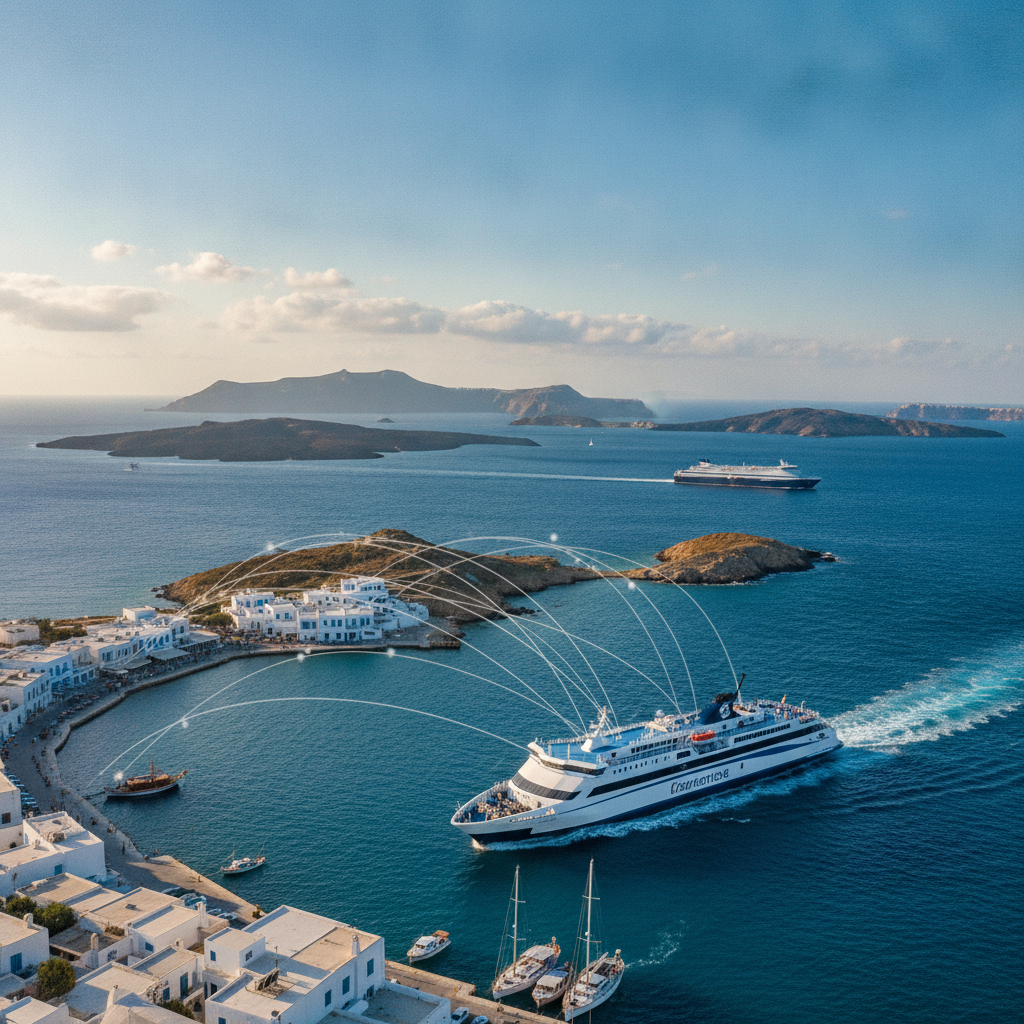
The Greek islands reward flexibility in a way that few destinations can match. You arrive somewhere expecting a quick overnight, and three days later you're still there, eating grilled octopus by a harbor you hadn't heard of two weeks ago. That kind of travel is entirely possible across the Aegean — but only if you understand how the ferry system actually works and resist the urge to over-plan every leg of the journey before you leave home.
The ferry network connecting the Cyclades, Dodecanese, and Ionian islands is extensive, reasonably reliable, and designed around the reality that people move between islands constantly. Pre-booking every single connection treats a living, shifting system like a rigid itinerary, and it often leads to missed opportunities and unnecessary stress. A smarter approach is knowing the rules, the rhythms, and the right moments to commit.
Get Comfortable With the Main Ferry Operators
SeaJets, Blue Star Ferries, and Hellenic Seaways handle the majority of routes between islands, and each has a slightly different pricing structure and cancellation policy. Getting familiar with what they offer before you travel — without booking anything — gives you a mental map of what's possible. Blue Star runs slower, larger ferries that suit overnight crossings between major ports like Piraeus and Rhodes. SeaJets operates faster catamarans ideal for shorter hops. Knowing which company works which route helps you move confidently once you're on the ground.
Use Ferryscanner and Direct Port Offices
Ferryscanner is the easiest online tool for checking schedules across multiple operators at once. Use it daily while traveling to see what's running from your current island to your next destination, and get a feel for frequency before committing. That said, once you're on an island, the port authority office or a nearby travel agency often has real-time updates that apps don't catch — canceled sailings due to winds, last-minute additions during shoulder season, or a cheaper deck ticket that never appeared online. Both tools serve different purposes, and using them together keeps you ahead of surprises.
Learn Which Routes Run Daily and Which Don't
Not every connection runs every day, and this is the single most important thing to understand. Popular routes — like Mykonos to Santorini or Piraeus to Paros — operate multiple times daily in summer. More remote connections, such as those linking smaller Dodecanese islands like Kastellorizo or Halki, might run two or three times per week. Building your loose itinerary around that reality means you avoid the frustrating position of being stranded somewhere for three days because you didn't check frequency in advance. Knowing the schedule doesn't mean booking it; it means understanding your window.
Time Your Arrivals at the Port Wisely
For deck and economy class tickets — which you can often buy right at the port on the day of travel — arriving 45 to 60 minutes before departure is usually enough during shoulder season. In July and August, that window stretches to 90 minutes or more, especially on popular routes out of Santorini or Mykonos. Ferries do sell out, particularly cabin berths and vehicle spaces, so if you need anything more than a seat on deck, booking a day or two ahead makes sense. Deck passage, though, stays available much longer, and for shorter daytime crossings it's a perfectly comfortable option.
Keep Two or Three Nights Unscheduled in Each Cluster
The Aegean groups naturally into clusters — the central Cyclades, the northern Aegean islands, the Dodecanese chain — and treating each cluster as its own flexible zone works far better than plotting a linear island-to-island chain across the whole network. Within a cluster, spontaneous movement is easy. Across clusters, connections require more planning and commitment. Keeping at least two unscheduled nights within each zone gives you room to extend a stay somewhere unexpectedly good, or move on faster from somewhere that didn't click. That buffer is where the best travel memories get made.
Watch the Weather Before You Commit
The Aegean wind, called the meltemi, blows hard through summer and can halt ferry service entirely, sometimes for 24 to 48 hours at a stretch. Checking a weather app like Windy three to four days out tells you whether a stretch of calm water is coming or whether you might want to move sooner rather than later. Experienced travelers often do a quick check in the morning, then decide whether that day is the day to hop to the next island or stay put. Treating weather as a scheduling variable rather than a nuisance gives you a real edge over people locked into a rigid plan.
Budget for Flexibility, Not Just Tickets
Leaving financial room for an extra night here or an unplanned detour there is as important as the logistical side. Ferry tickets between Cyclades islands are generally affordable, but accommodation costs vary sharply by island and season. Building a modest daily buffer into your travel budget — rather than pricing everything out to the last euro — means a wind delay or an irresistible village doesn't become a source of stress. Ios and Naxos tend to offer better value for spontaneous stays than Mykonos or Santorini, where last-minute rooms carry a serious premium.
Know When Pre-Booking Actually Makes Sense
There are moments when committing in advance is genuinely the right call. If you need a cabin berth on a long overnight crossing, book a few days ahead. If you're traveling during the peak weeks in late July and early August on the most popular routes, buying a ticket the morning before departure gives you peace of mind. If you have a flight home from Athens and the crossing from your final island takes eight hours, don't leave that last leg to chance. Flexibility isn't the same as recklessness — it's about choosing carefully where structure actually helps.
The Greek ferry system is one of the great travel infrastructures in the world, and it handles spontaneous travelers far better than most people assume. A little preparation around schedules, operators, and weather puts you in a position to move freely, stay longer where it matters, and skip the anxiety of a locked-in plan. Start by downloading Ferryscanner, loosely sketching which island clusters appeal to you, and letting the rest develop as you go. The water will be there when you're ready to cross it.