Wearable UV index monitors have moved from niche athletic accessories to practical everyday tools that help hikers, cyclists, surfers, and casual outdoor travelers understand exactly how much ultraviolet radiation their skin is absorbing at any given moment. Unlike a weather app that offers a general daily UV forecast, these small clip-on or wristband devices respond to immediate, localized conditions — accounting for cloud cover, elevation, reflective surfaces, and time of day in real time. The result is a more accurate picture of sun exposure that helps users act before damage accumulates rather than after.
What Wearable UV Monitors Actually Measure
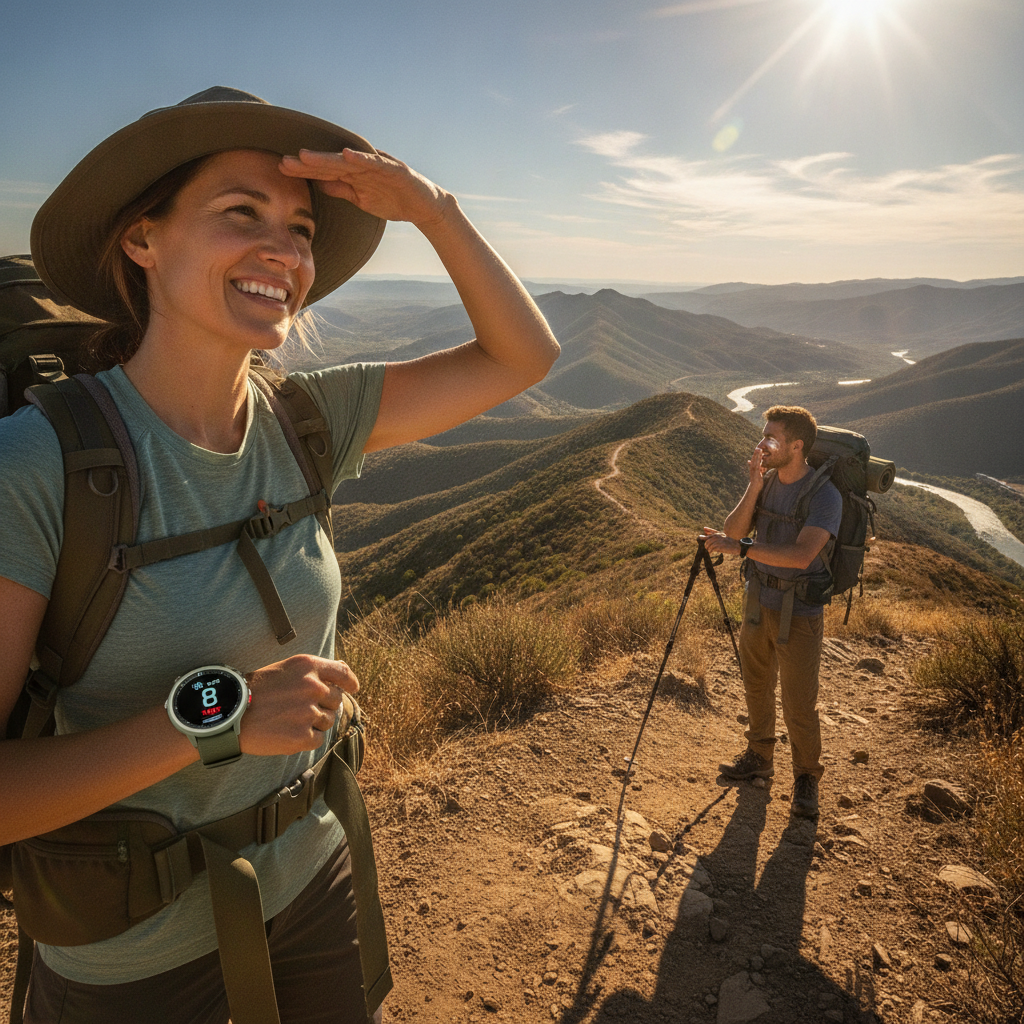
Most wearable UV devices measure UVA and UVB radiation using a small photodiode sensor calibrated to respond across the UV spectrum. This raw data is converted into a UV Index reading — the same international scale used by meteorological agencies — and then displayed either on the device itself or through a paired smartphone app. Some models, including those from Garmin and the UV monitoring line developed by L'Oréal under the My UV Patch program, factor in skin type settings so the alert thresholds are personalized. A fair-skinned hiker above 8,000 feet in Utah receives a different warning trigger than a moderately pigmented surfer on a cloudy afternoon in Portugal.
Why Real-Time Data Outperforms General Forecasts
A UV forecast published at 6 a.m. reflects predicted conditions across a broad geographic region — not the actual UV intensity hitting a specific body at a specific altitude and angle. A trail runner ascending a snow-covered ridge in Colorado experiences significantly amplified UV exposure due to surface reflection, something a regional forecast cannot account for. Wearable monitors close this gap by sampling UV levels continuously, often every few seconds, and alerting users when cumulative exposure approaches the threshold for their skin type. This shift from predictive to reactive data represents a meaningful improvement in how outdoor enthusiasts manage a genuine health variable.
How These Devices Integrate With Broader Health Tracking
Several wearable UV monitors now communicate directly with fitness ecosystems. Garmin's outdoor GPS watches, for example, incorporate UV index data from onboard sensors alongside heart rate, elevation, and hydration reminders, giving athletes a consolidated view of environmental stress. Apps like Dminder go a step further by combining UV index readings with GPS location, time of day, and user-entered skin and health data to estimate not just UV risk but also the rate of vitamin D synthesis occurring during sun exposure. This dual framing — UV as both risk and resource — reflects a more nuanced approach to sun safety that acknowledges the body's genuine need for measured sunlight.
Practical Limitations Worth Understanding
Wearable UV monitors are useful tools, but they work best when users understand what they can and cannot do. Sensor placement matters considerably — a device worn on the wrist that spends most of an afternoon in a jacket pocket or facing downward will undercount actual exposure. Reflective surfaces like snow, water, and light-colored sand can create UV readings that exceed what the sky directly overhead would suggest, which not all entry-level devices account for accurately. Battery life on compact sensors can also be shorter than expected during full-day outdoor activities. Choosing a device with clear placement guidance and an app that logs cumulative daily totals helps compensate for these variables.
What to Look for When Choosing a UV Wearable
If you're considering adding a UV monitor to your outdoor kit, a few factors will determine how useful it actually becomes on the trail or beach. Look for a device that allows you to input your Fitzpatrick skin type, since exposure risk varies substantially between skin tones and a personalized threshold matters more than a generic one. Models that sync data to a smartphone app offer the advantage of reviewing cumulative exposure over a full day or trip rather than responding only to real-time spikes. Battery performance across a full day of direct sun, water resistance rating, and whether the device can be worn or clipped to a hat or shirt collar are all worth comparing before purchasing. Brands like Garmin, L'Oréal, and Shade offer options at different price ranges, making it easier to match the tool to the level of outdoor activity you actually do.
Where UV Wearable Technology Is Headed
The next wave of UV monitoring technology is moving toward deeper integration with health platforms and smarter environmental awareness. Researchers are working on sensors thin enough to embed directly into performance fabrics, which would eliminate placement inconsistency entirely. Some developers are combining UV monitoring with pollution particle sensors and temperature stress indicators to create a single environmental health index for outdoor workers and athletes. As smartwatch operating systems become more sophisticated, UV data will likely feed into personalized sun exposure budgets that adapt automatically based on cloud movement, altitude changes, and cumulative weekly exposure — making smarter sun decisions less a matter of conscious effort and more a natural part of how people interact with the outdoors.
Wearable UV monitors represent a practical, low-friction step toward more informed outdoor habits. By bringing real-time, location-specific data to the wrist or collar, these devices give hikers, travelers, and weekend athletes the kind of awareness that once required either professional equipment or learned intuition. As the technology matures and integrates more deeply into the tools people already carry, the gap between knowing UV risk exists and actually responding to it in the moment continues to close.