Working outside the standard nine-to-five schedule places a quiet but persistent strain on the body. Nurses finishing overnight hospital rounds, warehouse staff rotating between day and evening shifts, and long-haul drivers crossing multiple time zones all share a common struggle: sleep that never quite feels complete. The hours are there, but the rest isn't. A new generation of sleep-tracking wearables built with circadian rhythm analysis is beginning to change that picture, offering shift workers something they haven't always had — meaningful data about what their bodies actually need and when.
Why Shift Work Disrupts More Than Just Sleep Hours
The human body operates on an internal clock calibrated by light, temperature, and social cues. For most people, that clock quietly syncs with the environment without much thought. Shift workers don't have that luxury. When sleep happens at inconsistent times — or during daylight hours when the body's alertness signals are peaking — the quality of rest deteriorates even when the quantity looks adequate on paper. Fatigue accumulates over days and weeks, affecting concentration, mood, metabolism, and long-term cardiovascular health. Understanding this cycle is the first step toward working around it.
What Circadian Rhythm Analysis Actually Measures
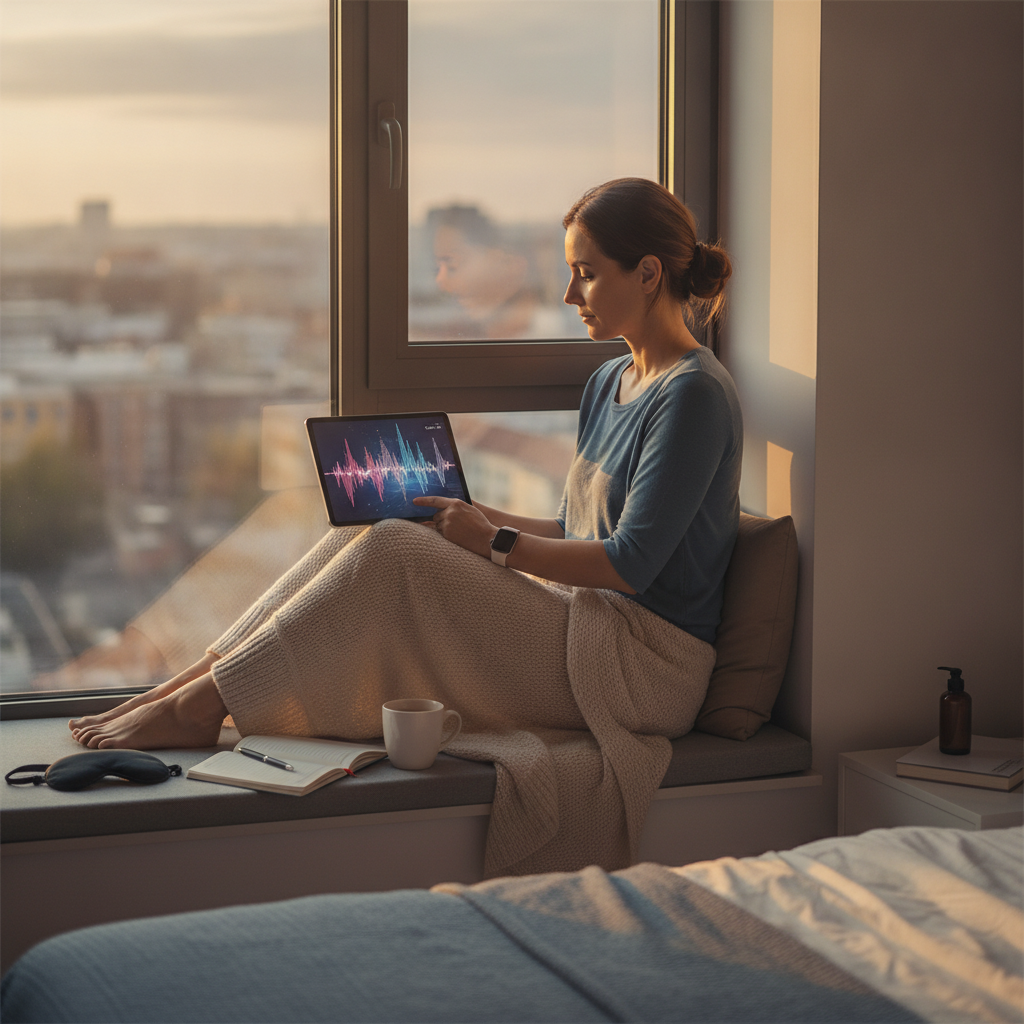
Modern wearables from brands like Garmin, Oura, and Whoop have moved well beyond step counts and heart rate averages. Circadian rhythm analysis tracks the timing, duration, and architecture of sleep — including how much time is spent in light, deep, and REM stages — and maps those patterns against the body's natural hormonal rhythms. Skin temperature fluctuations, heart rate variability, and blood oxygen levels feed into algorithms that identify when a person's biological clock is aligned with their sleep window and when it isn't. The result is a layered picture of sleep quality that simple alarm-clock tracking simply can't provide.
How Wearables Translate Data Into Actionable Guidance
Raw data alone doesn't help someone who needs to sleep at 8 a.m. after a 12-hour night shift. The practical value of these devices lies in how they translate measurements into concrete suggestions. Oura Ring, for instance, generates a daily Readiness Score that accounts for the previous night's sleep timing relative to a user's detected chronotype — whether they naturally lean toward early mornings or late nights. Whoop offers shift-specific recovery coaching that advises on when to schedule sleep windows and how to structure wind-down periods before bed. These recommendations adapt over time as the device builds a clearer model of each user's rhythms.
The Role of Light Therapy Recommendations and Environment Cues
Several platforms now pair wearable data with external environment guidance, particularly around light exposure. Because light is the most powerful signal for resetting the circadian clock, some apps connected to devices like the Garmin Fenix series will recommend targeted light exposure or avoidance based on the wearer's upcoming sleep schedule. A shift worker finishing a night rotation might receive a prompt to wear blue-light-blocking glasses during their commute home and to keep their bedroom dark with blackout curtains. These small behavioral adjustments, timed precisely to individual data, have shown meaningful improvements in how quickly people fall asleep during off-peak hours.
Building Consistency When Schedules Won't Cooperate
One of the biggest challenges shift workers face is that consistency — the cornerstone of good sleep hygiene — can feel impossible when shifts rotate every few weeks. Wearables help by identifying micro-patterns within unpredictable schedules. Even when the sleep window shifts by several hours, the data can reveal which pre-sleep habits produce the best outcomes on any given schedule. If you're working a rotating shift, tracking your sleep data across four to six weeks can surface insights that aren't obvious in the moment — like noticing that a 20-minute walk after your last meal consistently improves deep sleep duration regardless of when your shift ends. That kind of pattern recognition is where these devices genuinely earn their place.
What the Next Generation of Sleep Tech Is Building Toward
The wearable sleep technology space is moving quickly. Researchers and developers are working toward continuous glucose monitoring integration, which would allow devices to connect sleep disruption directly to blood sugar fluctuations that shift workers experience at higher rates than the general population. Companies like Samsung are expanding their Health Monitor ecosystem to include predictive fatigue alerts — notifications timed to warn users before performance dips rather than after. Ambient sensing through smart home devices is also being linked to wearable platforms, so that bedroom temperature and lighting adjust automatically based on incoming sleep data. For shift workers, that kind of seamless, responsive environment could make a significant difference in how well the body learns to rest on a nontraditional schedule.
Sleep-tracking wearables won't eliminate the biological challenge of working against the body's natural clock, but they offer something genuinely useful: clarity. When shift workers can see exactly how their habits, timing, and environment interact with their rest, they're better positioned to make small adjustments that add up over time. As these tools grow more sophisticated, the gap between demanding work schedules and truly restorative sleep may continue to close in ways that weren't possible even a few years ago.