Planning a trip to one of America's iconic national parks should feel exciting, not like trying to win a lottery at midnight while refreshing a government website. Yet for millions of visitors each year, that's exactly what it feels like. Yosemite Valley at peak summer, the wave formation at Coyote Buttes, the iconic loop road at Arches — these places have become so sought-after that showing up without a plan often means turning back at the gate. The good news is that timed entry and permit systems, while frustrating to first-timers, are actually workable once you understand how they're structured and when to move.
Understand Which Parks Actually Require Advance Permits
Not every national park operates on a timed entry or permit system, so the first step is knowing where advance planning is non-negotiable. Parks like Arches National Park in Utah, Glacier in Montana, and Rocky Mountain in Colorado have all used timed entry reservations during peak season. Others, like Zion National Park, use a combination of shuttle systems and permit requirements depending on the trail. Checking the official Recreation.gov site and each park's National Park Service page well before your trip gives you a clear picture of what's required — and what windows are actually open.
Book at the Earliest Possible Release Date
Timed entry reservations at high-demand parks don't sit open for weeks waiting for you. At Arches, for example, popular entry windows can sell out within minutes of release. Most parks announce their reservation release calendars ahead of the season, which means you can set a reminder and be at your device the moment slots open. Recreation.gov handles bookings for many of these parks and allows account setup in advance, so you're not fumbling through registration when the clock is ticking. Knowing the exact release time — often 8 a.m. Mountain or Pacific time — and being ready is half the battle.
Use the Lottery System When Direct Booking Isn't Available
Some of the most spectacular permit experiences in the country are lottery-based rather than first-come, first-served. The Wave at Coyote Buttes North in Arizona, the Havasupai Falls trail system, and certain Yosemite Half Dome day hike permits all operate this way. Lotteries open for application during specific windows, often months in advance for the primary draw and then again for secondary or walkup draws closer to the date. Entering every available draw cycle significantly improves your odds over time. If you're flexible on exact dates within a given season, submit applications across multiple dates rather than targeting just one.
Plan Around Entry Windows, Not Just Arrival Time
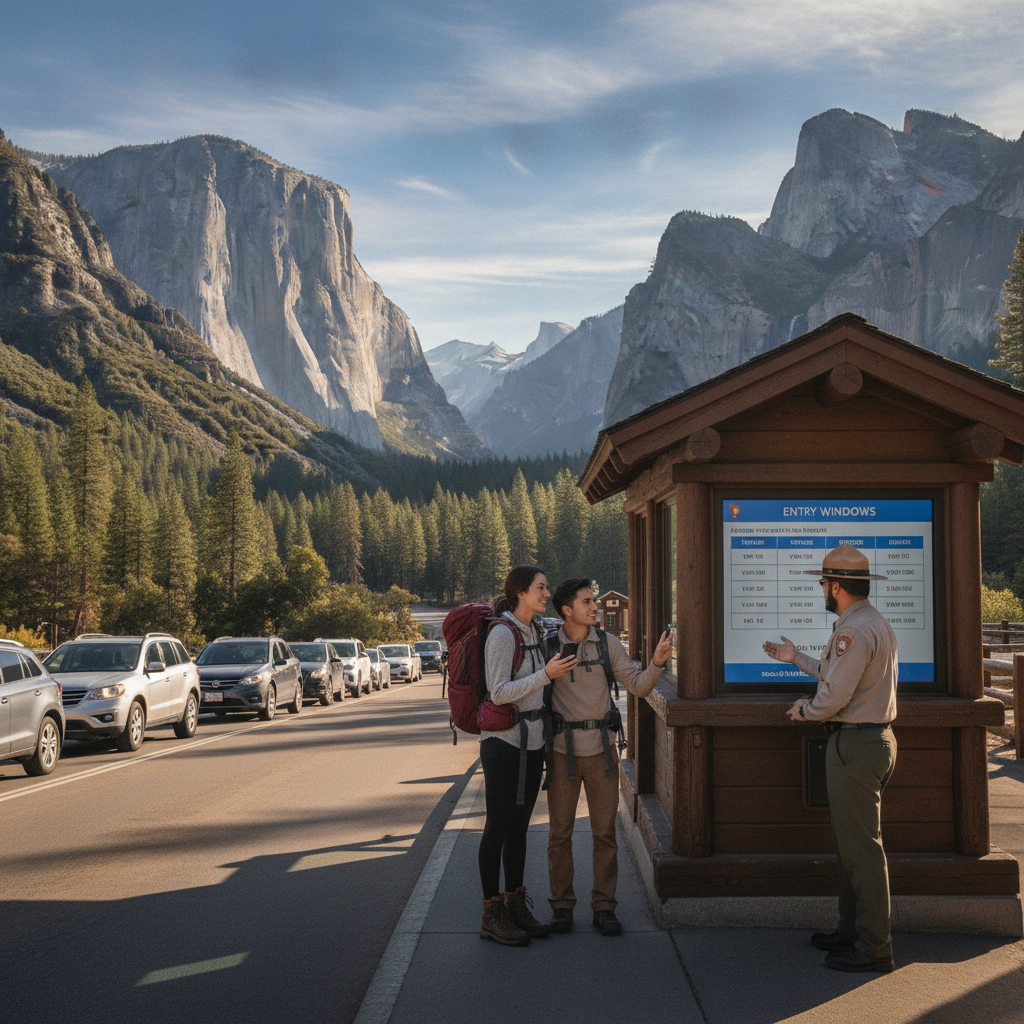
Timed entry systems typically divide the day into windows — say, 6 a.m. to 9 a.m., or 9 a.m. to noon. Choosing your window strategically matters more than most people realize. Early morning windows at parks like Rocky Mountain National Park put you on trail before afternoon thunderstorms build and before midday crowds peak. Late-afternoon windows can work beautifully in summer when light is golden and some visitors are already heading out. Each park has its own rhythm, and reading recent visitor reports on community forums like Reddit's r/NationalParks can help you understand which windows locals and experienced hikers actually prefer.
Build Flexibility Into Multi-Park Itineraries
When you're stringing together visits to multiple parks — a Utah road trip through Bryce Canyon, Capitol Reef, and Canyonlands, for instance — locking every day around a rigid permit window creates a fragile itinerary. A single delay, a flat tire, or one permit that doesn't come through can derail the whole plan. Building buffer days around the parks that require the firmest commitments keeps you from scrambling. Treat permit-dependent days as anchors and schedule more flexible, no-reservation-required activities around them. Many breathtaking areas within popular parks don't require any permit at all, so researching those secondary spots gives you great backup options.
Know the Walkup and Cancellation Opportunity Windows
If your lottery applications didn't come through or you're planning on shorter notice, cancellations are a real and underused resource. Recreation.gov processes cancellations regularly, and many parks also hold back a small number of permits for walkup availability at the trailhead or visitor center on the day of entry. For Yosemite Valley, some entry windows have historically released a portion of permits as walkups the morning of. The key is checking Recreation.gov frequently in the days and weeks before your intended visit — not just once — and showing up early at the walkup station if that option exists.
Use the America the Beautiful Pass to Reduce Entry Costs
Timed entry reservations and permits are separate from park entrance fees, and entrance costs add up quickly across a multi-park trip. The America the Beautiful Interagency Annual Pass covers entrance fees at all national parks for a full year and pays for itself after just a few visits. It doesn't cover timed entry reservation fees or camping, but it removes one financial layer from each stop and is especially valuable on trips that include several parks. Purchasing through Recreation.gov or at any park entrance station keeps the process straightforward.
Check Conditions and Closures Before You Depart
Permit in hand, you still need to confirm that the park or trail is actually open and accessible when you arrive. Seasonal road closures, wildfire smoke, flooding, and construction can all affect access, sometimes with little advance notice. Glacier's Going-to-the-Sun Road, for example, may not fully open until late spring depending on snowpack. Each park's official website posts current conditions and closure updates, and the NPS app sends alerts when you save a park to your favorites. A quick check two to three days before departure catches most surprises before they become problems.
Getting into America's most spectacular parks does take more effort than it once did, but the system rewards people who plan ahead and stay flexible. Start with one park, get familiar with how Recreation.gov works, and build from there. The crowds that feel overwhelming are often clustered in a few predictable spots — and beyond those bottlenecks, extraordinary places are still waiting.