Mountain Retreats Worth Visiting for a Stress-Free Vacation
Tessa Taylor
2026-01-05
6 min read
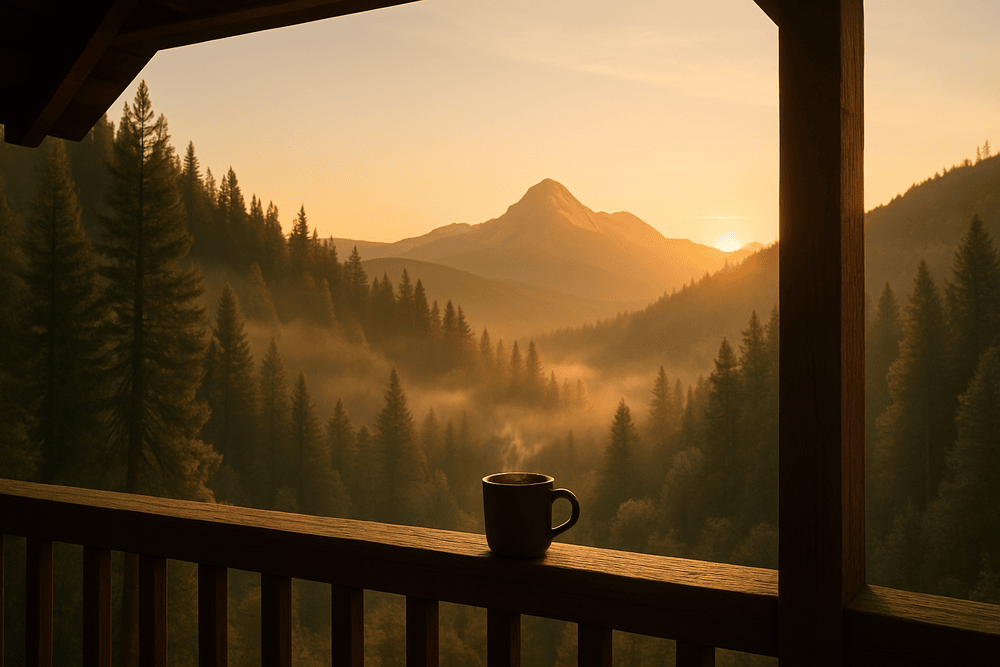
There’s something undeniably therapeutic about escaping to the mountains. The way the landscape stretches endlessly, the crisp air that feels cleaner with every breath, and the quiet moments where time seems to slow—these are the reasons travelers return again and again to elevated places. While busy cities and crowded beaches can offer excitement, mountain retreats give you something far more valuable: a chance to unplug, recharge, and rediscover calm. Whether you're seeking solitude, outdoor adventure, or simply a reset from the demands of daily life, the world’s mountain regions offer some of the most restorative getaways available.
One of the charms of mountain retreats is how naturally they encourage mindfulness. Without skyscrapers blocking the view or the constant hum of traffic in your ears, you become more aware of your surroundings—and yourself. The sound of wind brushing through trees, the crackle of a fireplace at night, and the rhythmic crunch of gravel beneath your shoes during morning walks provide a sensory shift from the hyper-stimulating environments so many people live in. Even the simplest activities in the mountains—brewing coffee as the sun rises over a valley or watching stars appear one by one in the sky—become moments worth savoring.
The Rocky Mountains in the United States are a classic example of this kind of restorative environment. Stretching through several states, the Rockies offer countless retreat towns where life moves at a slower pace. Places like Estes Park, Breckenridge, and Whitefish combine dramatic landscapes with cozy accommodations, wellness-focused lodges, and local restaurants that emphasize comfort and nourishment. A stay here isn't just about dramatic scenery; it’s about creating space for stillness. Many lodges are intentionally designed to minimize noise and maximize natural light, helping guests feel grounded and present.
Across the ocean, the Swiss Alps offer their own version of mountain serenity. While known for skiing and winter sports, the Alps are equally enchanting during spring and summer when the snow melts and alpine meadows burst with wildflowers. Villages like Zermatt, Wengen, and Mürren offer breathtaking views that feel like they were lifted from a storybook. The air is crisp, the food is hearty, and the emphasis is on slow living. Many visitors find that just walking through these quiet villages—with their timber buildings, bell-ringing cows, and panoramic views—is enough to reset their stress levels.
Some travelers prefer a retreat with a sense of remoteness, and the Himalayas offer exactly that. While the region is massive, spanning several countries, many approachable mountain villages in Nepal and India welcome travelers looking for peace rather than extreme adventure. Places like Dharamshala or Pokhara give visitors views of towering peaks without requiring technical climbing. Local guesthouses often incorporate holistic wellness practices such as meditation, yoga, and Ayurvedic meals to help visitors fully decompress. The combination of high altitude, spiritual heritage, and slow-paced living makes these Himalayan retreats especially grounding.

For those who want a blend of comfort and nature, New Zealand’s Southern Alps provide the perfect compromise. These mountains are rugged yet accessible, dramatic yet easy to explore. Towns like Queenstown and Wanaka offer world-class scenery with modern, comfortable lodges that make unwinding easy. After a day of scenic drives or lakeside strolls, you can return to a warm lodge, enjoy a local meal, and sit by a fire as clouds drift slowly over jagged ridgelines. The Southern Alps offer a kind of peaceful beauty that feels almost cinematic, making it easy to forget stress and daily concerns.
Not all mountain retreats require international travel or extended vacations. Many regions around the world have accessible escapes within a few hours’ drive of major cities. For example, the Blue Ridge Mountains in the eastern United States are known for their rolling slopes, misty mornings, and quiet mountain towns filled with craft shops and cafés. Renting a cabin here, even for a weekend, can feel like a full mental reset. The slower pace of life forces you to disconnect from constant notifications and reconnect with simpler rhythms: waking with the sunrise, hiking forest trails, and ending the day with a view from a porch swing.
Even smaller, lesser-known mountain ranges can offer just as much tranquility as the famous ones. Areas like the Carpathian Mountains in Eastern Europe, the Drakensberg Mountains in South Africa, or the Japanese Alps each provide peaceful retreats that feel different from traditional tourist hotspots. These regions often have fewer travelers, which means more space, quieter accommodations, and experiences that feel authentically local. It’s not uncommon to find yourself sipping tea in a small village, watching fog roll down distant peaks, and feeling like you’re the only person in the world.
What makes mountain retreats so effective at reducing stress is the way they naturally encourage balance. Without the pressure to schedule packed itineraries or navigate crowded attractions, visitors instinctively slow down. Days become shaped by simple choices—Do I walk the trail today or sit by the fire? Should I explore the small town or stay tucked inside with a book?—and it’s this return to simplicity that helps the mind unwind. Even physical activity in the mountains feels different. Instead of exercising for productivity, you move because the scenery inspires you to be outside.
No matter where you go, the mountains offer something universal: a chance to breathe. A chance to trade concrete for forests, noise for silence, and screens for sunsets. In a world that continually asks for more attention, more productivity, more speed, mountain retreats remind us that slowing down is not only acceptable—it’s essential.
More Trending Articles



Digital Health Communities: Leveraging Tech to Stay Motivated and Accountable
Vivian Black
2026-01-30
