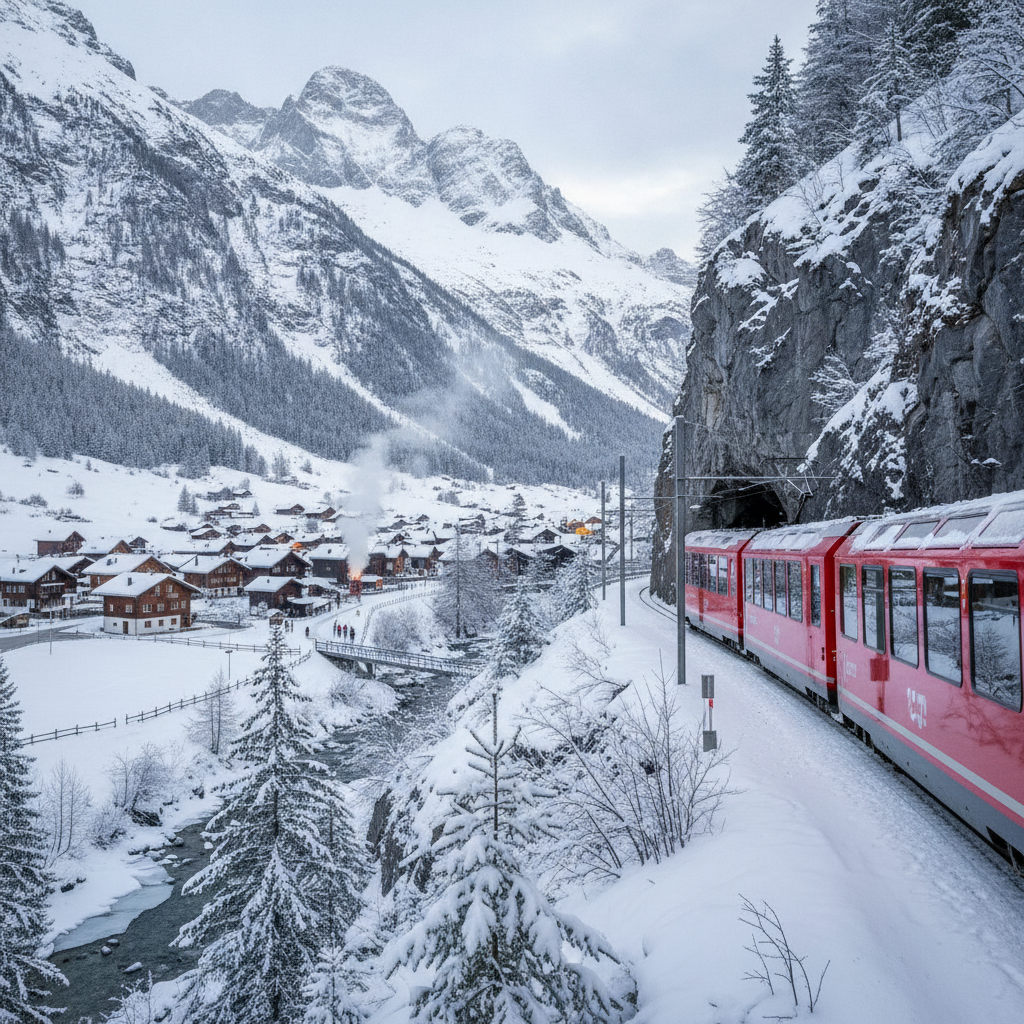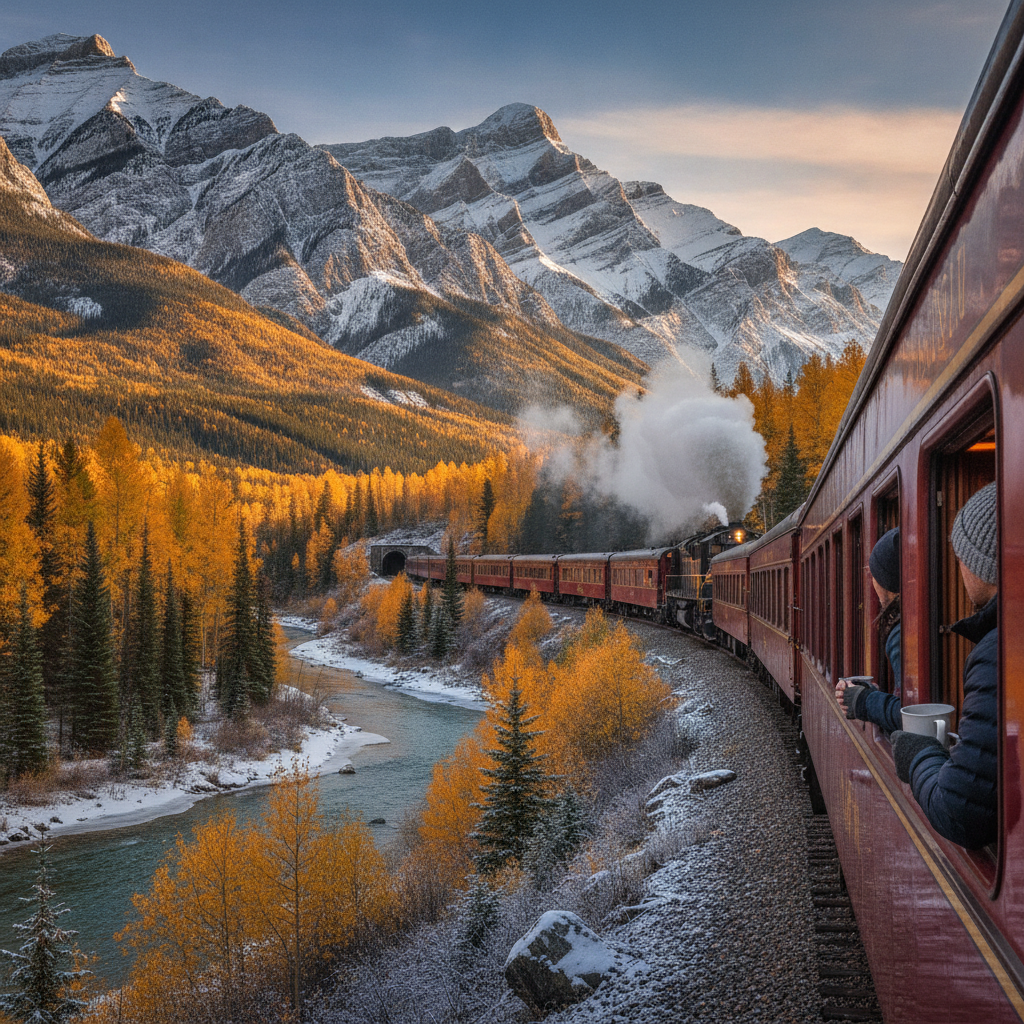
Timing a rail journey through the Canadian Rockies is one of those travel decisions that rewards people who plan ahead and quietly punishes those who don't. The window between mid-October and late November sits in a narrow, golden zone — the summer crowds have cleared, the larches have turned blazing yellow, and the mountain light takes on a low, cinematic quality that photographers chase for years. But that same window closes fast. Mountain passes become impassable, train schedules shift to reduced winter service, and certain routes simply stop running until spring. If you've been putting off this particular trip, late autumn is your last real chance to do it right.
Why Does Late Autumn Change Everything in the Rockies?
The Canadian Rockies in October and November feel genuinely different from their summer version. Fewer visitors mean quieter platforms at Jasper and Banff, easier access to trailheads near the rail corridors, and a stillness that the peak season never quite offers. The larch trees along the high alpine zones typically peak in early October, turning whole hillsides a warm amber-gold that contrasts sharply with the permanent snow above treeline. Temperatures drop significantly after dark, but daytime travel through the mountain valleys is often crisp and clear. The key is knowing which weeks sit inside that window versus which ones tip you into full winter conditions — and planning your rail bookings around that distinction.
How Do You Know When the Window Opens and Closes?
The short answer is that it varies by elevation and by year, but a useful general rule is that the window runs roughly from early October through mid-November. Above about 1,500 metres, snowfall becomes unpredictable after the first week of November. The Icefields Parkway, which parallels the rail corridor between Lake Louise and Jasper, typically sees its first serious snowfall in mid-October and can become difficult to drive by late November, though the rail line itself operates under different conditions. Checking Parks Canada's road and weather advisories through the official Parks Canada app gives you real-time pass conditions as your departure date approaches, and it's worth monitoring those updates starting about three weeks out.
What Rail Routes Actually Run in Late Autumn?
The two most relevant options for this kind of journey are Via Rail's Canadian, which runs between Vancouver and Toronto through Jasper, and the Rocky Mountaineer, which operates premium scenic routes between Vancouver, Banff, and Jasper. The important thing to understand is that the Rocky Mountaineer suspends service after mid-October each year, which means late-autumn travelers generally rely on Via Rail for the mountain corridor. The Canadian passes through some of the most dramatic mountain scenery in North America during its western leg, and the late-autumn schedule still runs several times a week out of Vancouver, though frequency drops compared to peak summer. Booking through Via Rail's website directly often surfaces the best seat availability and lets you compare coach versus sleeper options side by side.
What Class of Service Makes Sense for a Mountain Journey?
For a journey specifically timed around the mountain scenery, sleeping car service is worth the step up in price, especially for the overnight legs where you'd otherwise miss the views from a seat. Via Rail's Prestige and Sleeper Plus classes both include full meals in the dining car and access to the panoramic dome car — which is where you'll want to spend your daylight hours as the train moves through Jasper National Park. The dome car fills up quickly around sunrise and at scenic highlights like Mount Robson and the Athabasca River valley, so settling in early pays off. If budget is a priority, economy class still gets you access to the scenery, just without the private accommodation.
How Do You Build the Right Itinerary Around Train Timing?
The Canadian departs Vancouver several times a week, but departure days matter more than most people expect. Westbound trains from Toronto pass through the Rockies in a different daylight window than eastbound trains out of Vancouver, and for late-autumn travel, you want to be moving through Jasper during late morning to early afternoon when the light is best and visibility is clearest. An eastbound departure from Vancouver on a Sunday or Monday typically puts you through the mountain corridor on a Tuesday with good daylight timing. Using a tool like Google Flights to position yourself in Vancouver a day or two early — flying in from wherever you're coming from and giving yourself buffer time — reduces the risk of a missed connection derailing the whole trip.
What Should You Book and What Can You Leave Flexible?
Train tickets, especially sleeper accommodations on Via Rail, sell out weeks in advance for the autumn season, so those need to go on your list immediately. Hotel nights in Jasper and Banff, if you plan to stop and explore before or after the rail segment, also book up earlier than you'd expect even in the off-season, partly because some properties close after Thanksgiving weekend in Canada. What you can leave more flexible is your day-activity planning inside the parks — hiking conditions and trail accessibility shift week to week in November, and it's better to decide on day trips once you're on the ground and can check current conditions. The Jasper Sky Tram typically closes in late October, so verify current operating dates through their official site before building your itinerary around it.
How Do You Prepare for the Cold Without Overpacking?
Late-autumn Rockies travel means temperatures that swing between surprisingly pleasant afternoons and genuinely cold mornings, often within the same day. Layering is the practical answer rather than bringing heavier single garments, and merino wool base layers earn their place here because they regulate temperature across that range without adding much weight to your bag. Waterproof outer layers matter more than insulated ones for most late-October travel, since rain and wet snow are more common than dry cold at lower elevations. Packing apps like PackPoint allow you to input your destination, travel dates, and planned activities and generate a tailored list — useful for calibrating between day hikes and formal dinner car evenings without overstuffing your luggage.
What Makes the Jasper Stopover Worth an Extra Day?
Jasper as a town is smaller and quieter than Banff, and in late autumn it feels genuinely local in a way that's harder to find in the more resort-oriented southern parks. The Athabasca Falls remains accessible well into November, and the valley wildlife — elk especially — becomes easier to spot as the vegetation thins out. Staying an extra night allows you to catch the evening dark sky, since Jasper is a designated Dark Sky Preserve and autumn nights offer some of the clearest views before deep winter weather settles in. It also gives you breathing room if the train arrives late, which happens more in mountain rail travel than on flat routes, and removes the pressure of rushing to catch a connection.
Late-autumn rail travel through the Canadian Rockies is a genuinely rewarding experience, and the closing window before winter is part of what gives it that particular energy. The combination of golden light, near-empty trails, and a slow mountain train is the kind of thing that stays with you. The smart move is to start checking Via Rail availability now, lock in your core travel dates, and build the rest of the itinerary outward from there — the passes won't wait, but your planning can start today.