Travel has a way of making food feel like a window into a place — its rhythms, its history, its daily life. Cooking classes have become one of the most popular ways to step through that window, and rightfully so. But the gap between a memorable, substantive culinary experience and an overpriced tourist activity often comes down to one simple choice: where you book it.
Why Are Tour Platform Cooking Classes So Expensive?
Platforms like Viator and GetYourGuide offer genuine convenience. You can search, compare, and book within minutes, which makes them appealing when you're planning a trip from home. But that convenience carries a real cost. These platforms take a significant commission from each booking, which means the price you pay is inflated before the class even begins. The instructor or school hosting you often receives a fraction of what you spend, and the class format itself is frequently designed around tourist expectations rather than authentic culinary depth.
Many tour-platform cooking classes run for two to three hours, cover a handful of crowd-pleasing dishes, and cycle through participants on a tight schedule. The experience can feel more like entertainment than education. You learn enough to feel engaged, but you leave without the kind of foundational knowledge that would actually change how you cook back home.
How Do Local Culinary Schools Operate Differently?
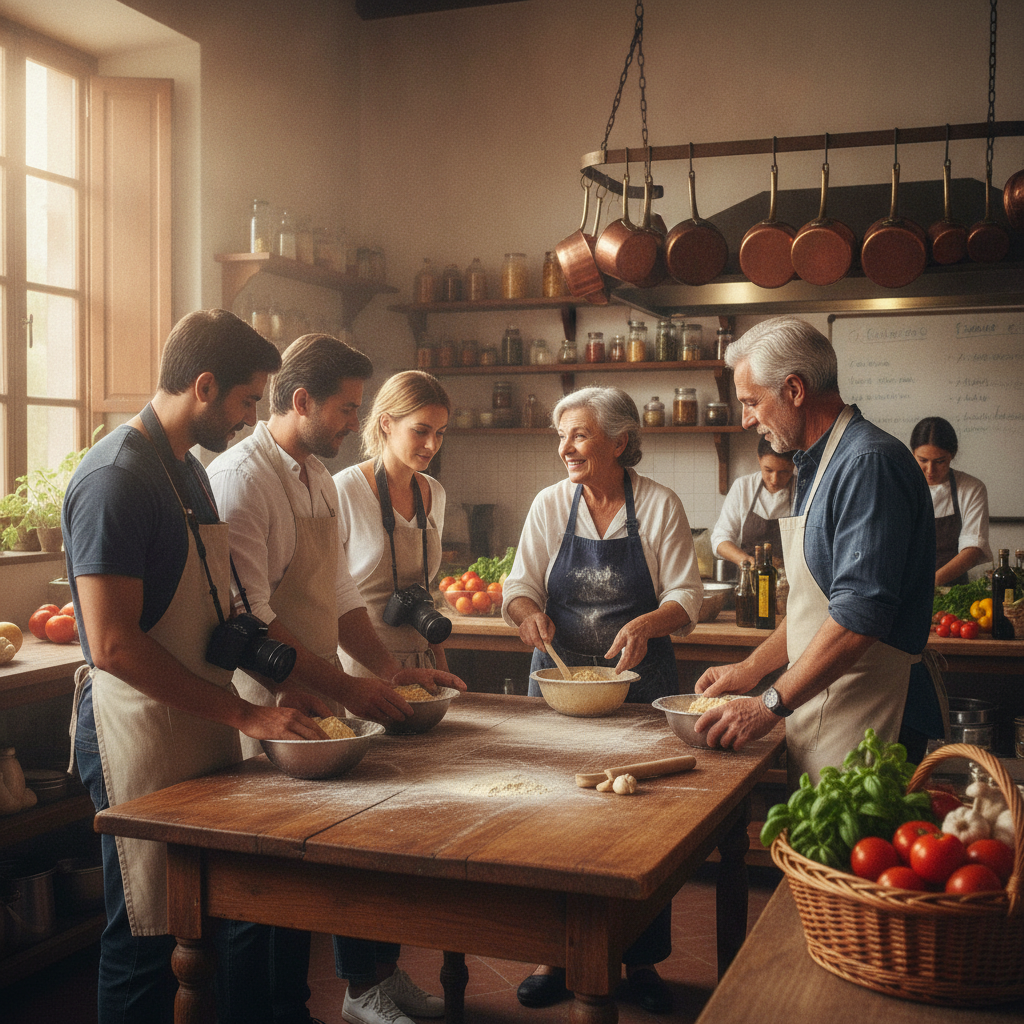
Culinary schools, vocational cooking institutes, and community kitchen programs exist in nearly every city with a serious food culture. Think of places like the Bangkok Thai Cooking Academy, Instituto Culinario de Oaxaca, or the dozens of small scuole di cucina scattered across Italian cities like Bologna and Florence. These institutions run classes as part of their core mission — training cooks, preserving regional techniques, and sharing food culture with curious visitors.
Because they aren't built around tourism commissions, their pricing reflects actual operating costs rather than platform markups. A full-day class at a local culinary school in Southeast Asia or Southern Europe can cost noticeably less than a two-hour session booked through a third-party platform covering similar territory. The difference in price often corresponds to a difference in depth, class size, and overall experience.
What Does the Booking Process Actually Look Like?
Finding these schools requires a small amount of research, but it's far simpler than it sounds. A direct search for culinary schools, cooking academies, or food workshops in your destination city usually surfaces options within minutes. Many schools maintain their own websites with booking forms or email contacts. Others list courses through platforms like Airbnb Experiences or Couchsurfing's event features, which tend to feature more local hosts than the larger tour aggregators.
Once you've identified a school, reaching out directly — even just a short email asking about availability and pricing — often unlocks options that aren't published online. Some schools offer multi-day courses, market tours bundled with cooking sessions, or small-group formats that simply don't appear on any booking platform. Timing matters here too. Reaching out six to eight weeks before your trip during peak travel season gives you the best chance of securing a spot in the format you want.
When Is the Best Time to Book for Seasonal Ingredients?
One of the most rewarding aspects of cooking classes through culinary schools is their tendency to build curriculum around what's actually in season. A class booked in autumn in Tuscany may center on porcini mushrooms and chestnut preparations. A spring booking in Oaxaca might focus on fresh herbs, squash blossoms, and mole variations that rely on peak-season chiles. Tour platform classes often run the same menu year-round to simplify logistics, which means you miss the chance to learn techniques tied to what the local market is actually producing.
If your travel dates are flexible, aligning your cooking class booking with a region's harvest or peak growing season adds another layer of authenticity. Local culinary schools tend to update their seasonal menus regularly, and many instructors will tell you exactly what they're building around that month if you simply ask.
How Does the Quality of Instruction Compare?
Instruction quality varies anywhere you book, but culinary schools tend to employ teachers with professional backgrounds — trained chefs, regional specialists, or food historians who approach the material with genuine expertise. Classes are often smaller, pacing is more deliberate, and there's room for questions that go beyond the recipe itself. You might learn why a particular spice paste is prepared in a specific order, how altitude affects fermentation in Andean cuisine, or which local market vendors a professional chef trusts above all others.
This kind of contextual knowledge doesn't show up in a recipe card. It's the difference between replicating a dish and actually understanding it — and it's the kind of thing that stays with you long after the trip ends.
What's the Smarter Way to Plan This Part of Your Trip?
Building a cooking class into your itinerary through a local culinary school takes a little more planning than clicking a button on a major platform, but the return on that effort is substantial. You spend less, learn more, and walk away with a connection to the food culture of a place that a packaged tourist experience rarely delivers. Apps like Google Maps can help surface schools that don't rank on aggregator platforms, and a simple TripAdvisor search filtered to cooking experiences in a specific city often reveals locally run programs alongside the platform-heavy listings.
Every good food trip starts with a bit of curiosity and a willingness to look just past the obvious options. The culinary school around the corner from the tourist market, the family-run cooking studio that sends a weekly email newsletter, the community kitchen that opens its afternoon class to visitors — these places exist in almost every destination worth traveling to. Start with a search, send a message, and let the real cooking begin.